What Dark Web Number Lists Actually Are
Dark web number lists are compilations of contact information, typically phone numbers or usernames, allegedly tied to darknet markets, forums, or individuals. These lists emerge from several sources: data breaches of forum databases, scraped information from public onion sites, or fabricated collections designed to spread malware or harvest clicks. Most circulating lists are incomplete, outdated within weeks, or contain deliberately false entries inserted by security researchers or law enforcement. A legitimate dark web browsers list or dark web domain list serves a different purpose, cataloging software or addresses rather than personal identifiers. Understanding the distinction matters because pursuing contact information on the dark web carries legal and security risks that simply browsing or researching does not.
Why These Lists Circulate and Spread
Dark web number lists spread because they appeal to curiosity and the perception of insider access. Forums, subreddits, and telegram channels frequently share or sell these lists as proof of credibility or as bait for engagement. The lists often come packaged with claims of exclusivity or freshness, even though most are recycled from older breaches or artificially inflated with noise. Scammers use them to build trust before pitching paid access to 'updated' versions. A dark web combo list, which bundles usernames with passwords or email addresses, operates on the same principle but carries higher legal exposure because it explicitly facilitates unauthorized access. The psychological hook is the same: the promise of a shortcut to knowledge or connection that feels forbidden.
How Law Enforcement Uses and Monitors Lists
Law enforcement agencies monitor the circulation of dark web number lists as part of their investigation workflow. When a list surfaces, authorities cross-reference it against known suspects, active investigations, and previous seizures. Some agencies deliberately seed fake or honeypot numbers into lists to identify who downloads, shares, or acts on them. Court records from darknet market prosecutions show that investigators often use list circulation patterns to establish networks of interest and communication. A dark web hackers list or dark web email list that claims to identify specific individuals is particularly attractive to law enforcement because it signals intent to target those people. This means that downloading or distributing such lists can itself become evidence of conspiracy or unauthorized access, depending on jurisdiction and intent.
Verification Challenges and Phishing Risks
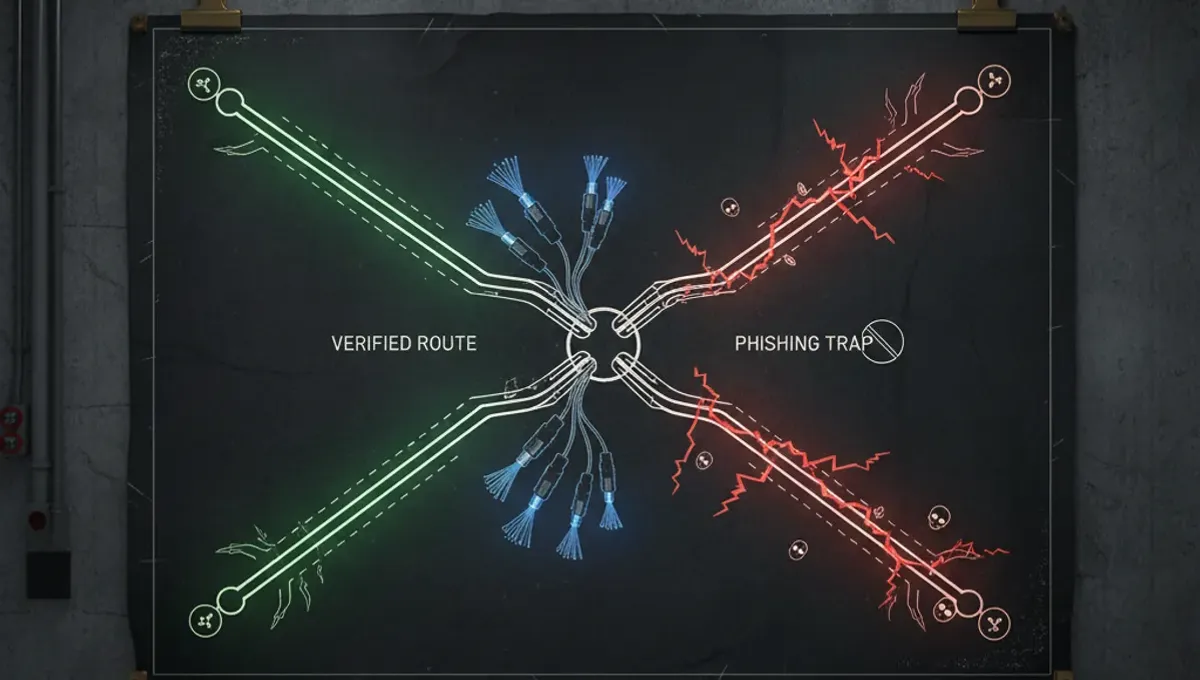
Verifying whether a number or contact on a dark web number list is real, active, or belongs to the person claimed is nearly impossible without direct interaction. This uncertainty is precisely why phishing attacks thrive around these lists. A scammer will publish a list, then impersonate contacts from it to harvest credentials or payment information. Cloned onion sites and fake forums often use names and numbers from leaked lists to appear legitimate. The dark web email list phenomenon follows the same pattern: a list circulates, then attackers use those addresses to send spear-phishing messages or credential-stuffing attempts. Even if a number or email appears on multiple lists, that only means it was copied repeatedly, not that it is trustworthy. The safest approach is to assume any unsourced list is compromised or fabricated.
Reality Layer: How the Ecosystem Actually Behaves
According to Tor Project documentation and security-vendor incident reports, the majority of 'exclusive' dark web contact lists are either recycled from public breaches or artificially generated to drive traffic to malware or phishing sites. This matters because it means that searching for a dark web number list is statistically more likely to expose you to malware than to provide useful information. Law enforcement press releases from darknet market takedowns consistently show that investigators do not rely on leaked lists to identify suspects; they use blockchain analysis, traffic correlation, and informants. Academic research on onion services confirms that most forum databases that leak are years old and contain inactive or honeypot accounts. The practical implication is that a dark web domain list or dark web browsers list, which are technical resources, retain value over time, whereas contact lists decay immediately and become liability vectors.
Safer Alternatives to Searching for Lists
If you are researching darknet activity for security awareness, journalism, or academic purposes, use official resources instead of leaked lists. The Tor Project website, academic papers on onion services, and published law-enforcement reports provide verified information without the infection risk. For security monitoring, subscribe to threat intelligence feeds from reputable vendors rather than downloading raw lists from forums. If you need to verify whether a contact or address is legitimate, use PGP-signed announcements from the official project or organization, not third-party compilations. A dark web domain list published by a security research organization with a track record is far more reliable than an anonymous paste. The effort to verify a source takes minutes and eliminates the majority of scams and malware vectors.
What to Do If You Encounter a Dark Web Number List
If you stumble across a dark web number list in a forum, marketplace, or social media channel, do not download it. The file is likely to contain malware, be honeypotted, or lead to a phishing site. Do not share it, as that can expose you to legal liability depending on the content and your jurisdiction. If the list appears to contain your own contact information or that of someone you know, report it to the relevant platform and consider monitoring your accounts for unauthorized access. If you are a researcher or journalist investigating darknet activity, contact established security organizations or law enforcement tip lines instead of pursuing lists independently. The core takeaway is that dark web number lists offer no legitimate shortcut to understanding the darknet; they are primarily tools for scamming, infecting, or entrapping the curious. Your time and security are better spent learning how onion services actually work, how to use Tor safely, and how to verify information through official channels.
Frequently asked questions
Are dark web number lists real or fake
Most are either recycled from old breaches, artificially inflated with noise, or deliberately seeded with honeypots. Even if a number appears on multiple lists, that only means it was copied repeatedly, not that it is trustworthy or active. Assume any unsourced list is compromised or fabricated.
Is it illegal to download a dark web number list
Downloading a list itself is not illegal in most jurisdictions, but the content and your intent matter. If the list contains unauthorized access credentials or is used to facilitate fraud or hacking, you could face charges. Law enforcement monitors list circulation as part of investigations into conspiracy and unauthorized access.
How do I verify if a contact on a dark web number list is real
You cannot verify it reliably without direct interaction, which is precisely why these lists are used for phishing and scams. The safest approach is to assume any contact from an unsourced list is untrustworthy. Use PGP-signed announcements from official projects instead.
What should I do if my number appears on a dark web number list
Monitor your accounts for unauthorized access, enable two-factor authentication, and consider changing passwords on critical services. Report the list to the platform where you found it. If you suspect active targeting, contact local law enforcement or a cybersecurity professional.
Why do dark web number lists keep circulating if they are useless
They circulate because they appeal to curiosity and the perception of insider access. Scammers use them to build trust before selling 'updated' versions. Forums and channels share them to drive engagement. The lists are primarily tools for phishing, malware distribution, and entrapping the curious rather than sources of legitimate information.