What a Dark Web Combo List Actually Is
A dark web combo list typically bundles multiple .onion links into a single document or post. These might include dark web browsers recommendations, dark web domain lists for forums or markets, dark web email list entries for anonymous communication services, or dark web hackers list references. The term "combo" comes from the practice of combining several categories of resources into one package.
These lists serve different purposes. Some are educational, maintained by security researchers or Tor enthusiasts to help newcomers understand what services exist. Others are promotional, created by marketplace operators or forum admins to drive traffic. Still others are malicious, designed to distribute phishing clones or malware-hosting addresses that mimic legitimate sites.
The format varies widely. You might find a combo list as a Reddit post, a pastebin document, a forum thread, or a text file shared on encrypted messaging platforms. The lack of standardization is itself a red flag: there is no official dark web combo list maintained by the Tor Project or any neutral authority.
How Phishing and Clones Exploit Combo Lists
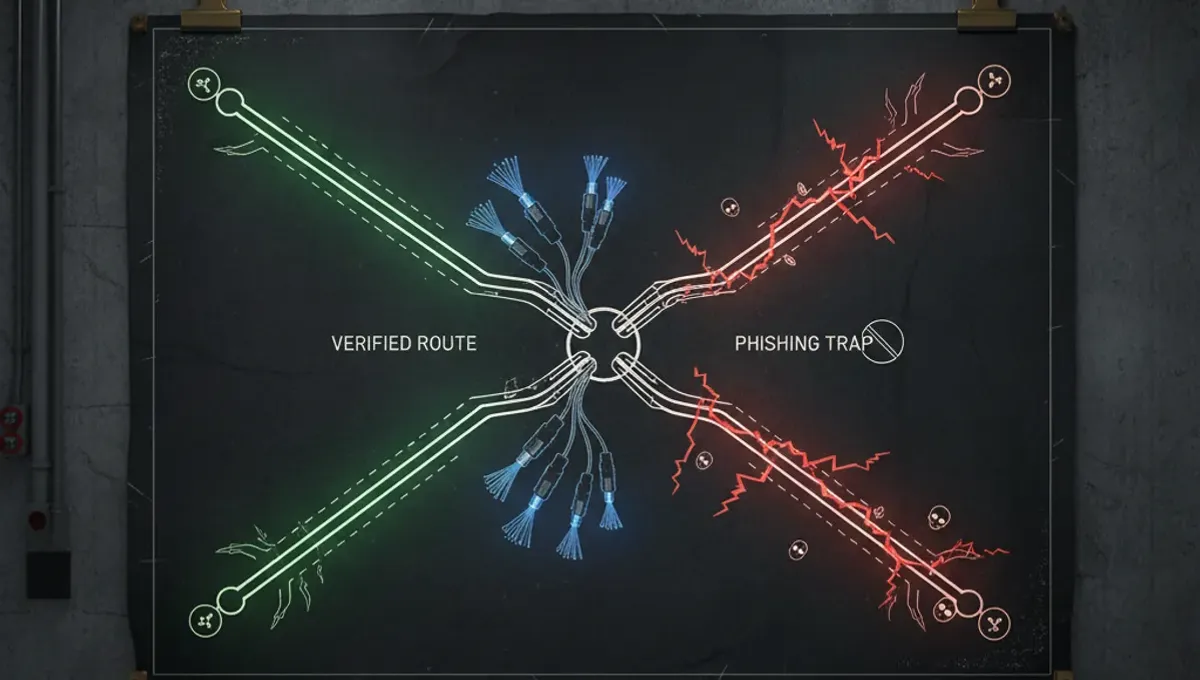
Phishing clones are fake .onion addresses designed to look identical to legitimate sites. They capture login credentials, cryptocurrency payments, or personal data. Combo lists are a primary distribution vector for these clones because they reach many users at once and create confusion about which address is real.
A common attack works like this: a phishing operator creates a clone of a popular forum or market, adds it to a combo list alongside real addresses, and distributes the list to target communities. Users who do not verify the address independently may visit the clone and lose funds or credentials. The clone typically operates for weeks or months before being discovered, then the operator moves on to a new target.
Combo lists also spread outdated or dead addresses. A list circulating now might include addresses that were seized by law enforcement years ago, or markets that exit-scammed long ago. Users who do not cross-reference these addresses with current sources waste time or fall victim to replacement phishing sites that have taken over the old domain.
Verification: The Only Real Defense
Before trusting any address from a combo list, you must verify it independently. The safest method is to find the official PGP-signed announcement from the service operator or maintainer. Most legitimate dark web services publish their current .onion address on their official social media accounts, in PGP-signed messages, or on mirrors hosted on clearnet domains they control.
Here is a basic verification workflow:
- Find the service's official social media account or clearnet domain
- Look for a PGP-signed announcement of the current .onion address
- Verify the PGP signature using the service's published public key
- Compare the address in the combo list to the verified address
- If they do not match, do not visit the address in the combo list
If you cannot find an official announcement, treat the address as unverified. This is especially important for dark web email list entries, dark web domain lists, and any service that handles sensitive data. A few minutes of verification can prevent credential theft or financial loss.
Why Combo Lists Circulate and Who Uses Them
Combo lists persist because they serve real needs in a fragmented ecosystem. New Tor users often struggle to find legitimate services without a starting point. Researchers and journalists sometimes use combo lists as a quick reference for understanding what services exist. Forum moderators and marketplace operators distribute them to onboard new users.
However, the lack of curation means combo lists also spread misinformation. A dark web list 2025 that circulates today might include addresses that are no longer active, services that have been compromised, or clones that were never legitimate. The dark web browsers list entries in a combo list might recommend outdated or unsafe configurations. The dark web hackers list might reference individuals who have been arrested or who never existed.
Some combo lists are maintained by individuals with genuine expertise and good intentions. Others are created by scammers or law enforcement as honeypots. Without knowing the source and motivation, you cannot trust the content. This is why relying on a single combo list is dangerous.
Reality Layer: How the Ecosystem Actually Works
The Tor Project documentation emphasizes that .onion addresses are not inherently trustworthy simply because they use the .onion domain. Phishing and impersonation are as common on the dark web as on the clearnet, and the anonymity of Tor makes it easier for attackers to operate without detection. This matters because it means combo lists cannot be a substitute for individual verification.
Law enforcement agencies have documented that phishing clones are a primary method for infiltrating dark web communities. Court records and press releases from the FBI and Europol describe operations where undercover agents or informants created fake marketplace clones and distributed them via forums and combo lists to identify and arrest users. This means that a combo list circulating in a public forum may have been seeded by law enforcement.
Security vendors who monitor dark web activity report that combo lists are frequently updated with new phishing addresses within hours of being posted. This rapid evolution means that even a recently verified combo list can become outdated. The implication is that combo lists have a short shelf life and should never be bookmarked or shared as a permanent reference.
Academic research on onion services has found that the majority of .onion addresses in circulation are either dead, phishing clones, or honeypots. This suggests that a typical combo list contains more harmful or useless addresses than legitimate ones, making verification not just a best practice but a necessity for survival.
Safer Alternatives to Combo Lists
Instead of relying on a single combo list, use multiple independent sources and cross-reference them. The Tor Project's official directory of onion services is a starting point, though it is not comprehensive. Security-focused sites like this one maintain curated lists of verified resources with explanations of how to verify each address.
For specific categories, seek out official channels. If you are looking for a dark web email service, visit the service's official clearnet domain or social media and find the current .onion address from a PGP-signed announcement. If you need a dark web browsers list, consult the Tor Project's official recommendations and security advisories. If you are researching dark web hackers list entries for security awareness, use academic databases and law enforcement press releases rather than forum gossip.
Join communities where addresses are actively maintained and verified. Some forums have dedicated moderators who remove dead links and phishing clones. These communities are slower and less convenient than a pre-made combo list, but they are far safer. Ask questions, cross-reference answers, and never assume a single source is authoritative.
Your Next Step: Build Your Own Verified Reference
The most reliable dark web combo list is the one you build yourself through careful research and verification. Start by identifying the specific services you actually need, not every service that exists. Then find the official announcement or clearnet domain for each service and extract the current .onion address from a PGP-signed message.
Store these addresses in a secure, encrypted location. Update them regularly by checking official channels for new announcements. When you encounter a new address in a forum or combo list, verify it against your reference before visiting. Over time, you will develop a personal knowledge of which sources are reliable and which are traps.
This approach takes more time than downloading a pre-made combo list, but it is the only way to avoid phishing clones and dead addresses. The dark web rewards caution and punishes convenience. Start today by picking one service you want to use, finding its official clearnet domain, and extracting the verified .onion address. That single verified address is more valuable than a hundred unverified ones.
Frequently asked questions
Is it safe to use a dark web combo list I found on Reddit
No. Reddit combo lists are frequently seeded with phishing clones and outdated addresses. Even well-intentioned lists become stale quickly. Always verify each address independently using PGP-signed announcements from the official service before visiting it. If you cannot find an official announcement, treat the address as unverified.
How do I know if a dark web combo list is a honeypot
You cannot know for certain. Law enforcement has documented creating fake combo lists and distributing them to identify users. The safest assumption is that any combo list circulating in a public forum may be monitored or contain intentional traps. Use official sources and PGP verification instead of relying on community-shared lists.
What is the difference between a dark web combo list and a dark web list 2025
A combo list bundles multiple categories of resources together, while a dark web list 2025 typically refers to a current snapshot of active services. Both are vulnerable to phishing and outdated information. Neither should be trusted without independent verification of individual addresses.
Can I use a dark web browsers list from a combo list to set up Tor safely
A dark web browsers list in a combo list may contain outdated or unsafe recommendations. Instead, consult the official Tor Project website for current browser versions, security advisories, and configuration guidance. Official sources are maintained by security experts and updated regularly.
Why do dark web hackers list entries appear in combo lists
Some combo lists include references to known cybercriminals for educational or research purposes. However, these entries may be inaccurate, outdated, or intentionally misleading. If you need information about cybercriminals for security awareness, use law enforcement press releases and academic research instead of forum gossip.