What the Dark Web Hacker Ecosystem Actually Is
The term 'dark web hackers list' typically refers to either a curated collection of known threat actors, a marketplace where hacking services are offered, or a forum where individuals with malicious intent congregate. None of these are static directories you can download. Instead, they are constantly shifting communities built on reputation, anonymity and distrust.
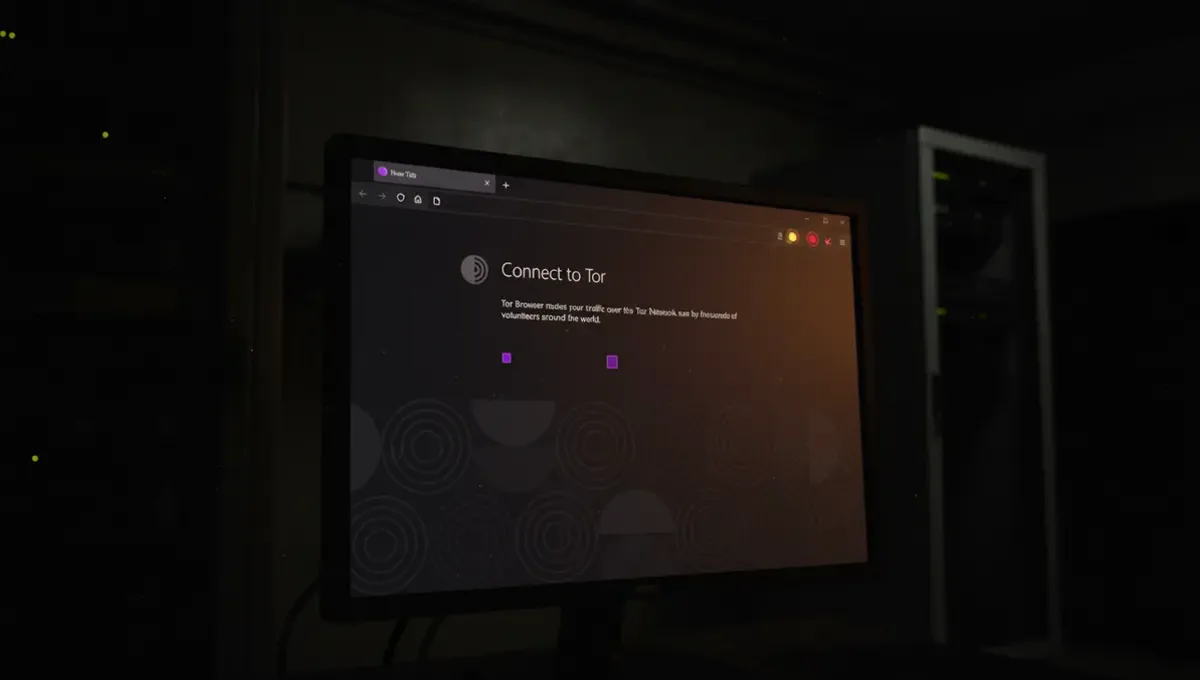
These spaces operate on Tor hidden services using onion addresses. Access requires the Tor browser and knowledge of where to look. Unlike a traditional website, a hacker forum or marketplace has no search engine listing. Discovery happens through word-of-mouth, leaked credentials, or by following links shared in other forums.
The people advertising on these platforms range from script kiddies using pre-built tools to experienced security researchers moonlighting as penetration testers. Many are scammers. The lack of legal recourse means reputation is the only currency, and even that is easily faked through sockpuppet accounts and false testimonials.
Where Hackers Congregate: Forums and Marketplaces
Hacker forums on the dark web serve as meeting places where individuals discuss techniques, share tools, and coordinate attacks. These forums typically require an invitation or a deposit to join, creating a barrier that filters out casual observers. Moderators enforce rules against law-enforcement infiltration, though this is imperfect.
Marketplaces function differently. They list services and goods: stolen credentials, malware, exploit code, or access to compromised systems. A seller might offer 'database dumps' containing millions of email addresses and passwords. Another might advertise 'ransomware deployment' or 'DDoS-for-hire' services. Buyers and sellers communicate through encrypted messages, and transactions typically use cryptocurrency.
These platforms also host what security researchers call 'data leak sites'. When ransomware operators or data thieves want to pressure victims into paying, they post stolen files on these sites as proof and threat. The dark web domain list of active leak sites changes monthly as law enforcement takes action and operators rebrand.
How Reputation and Trust Work in Hacker Communities
In an environment where no one can be sued and anonymity is the default, reputation systems become critical. Marketplaces and forums use escrow, feedback ratings, and vendor bonds to reduce fraud.
A hacker offering services will accumulate reviews from past clients. High ratings suggest reliability, though they can be purchased or faked. Established vendors sometimes use PGP-signed messages to prove their identity across platforms, creating a portable reputation. Some maintain multiple accounts across different forums as insurance against account seizure.
The dark web combo list phenomenon reflects this: when a vendor's account is seized or they exit scam, their reputation is lost. Buyers and sellers then migrate to new platforms or new vendors. This creates a constant churn of marketplaces, each claiming to be 'more secure' or 'better moderated' than the last.
Trust is also built through shared technical knowledge. Hackers who publish working exploit code or detailed attack tutorials gain credibility. This knowledge-sharing accelerates the spread of vulnerabilities and increases risk for ordinary users and organizations.
Reality Check: How the Ecosystem Actually Fails
Law enforcement agencies worldwide monitor dark web hacker communities. The FBI, Europol, and national cybercrime units conduct undercover operations, infiltrate forums, and track cryptocurrency transactions. According to public law-enforcement press releases, major arrests of alleged dark web marketplace operators and hacking group members occur regularly, demonstrating that anonymity on Tor is not absolute. This matters because it shows that operating on the dark web carries real legal risk, even if that risk is not immediate.
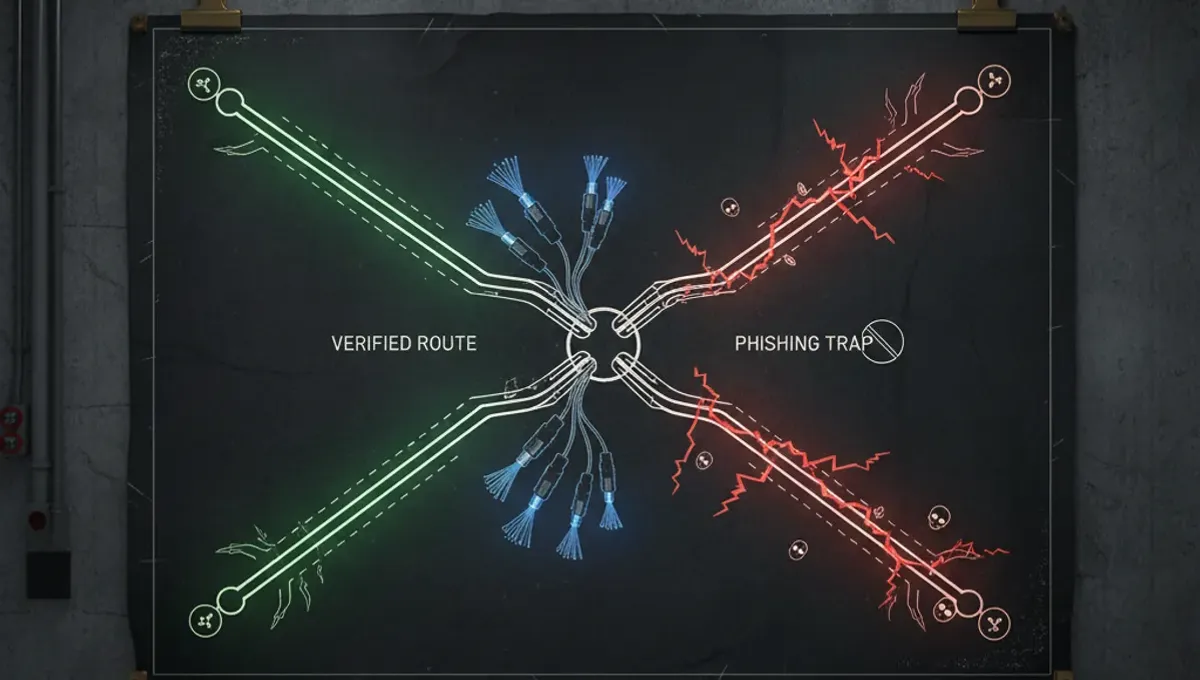
Second, the dark web email list or hacker directory you might find is almost certainly outdated or a honeypot. Security researchers and law enforcement sometimes create fake marketplaces or forums to identify and track criminals. Downloading a 'list of hackers' from an untrusted source risks malware infection or exposure of your own activity.
Third, most people advertising hacking services are not skilled operators. They are resellers, scammers, or script kiddies using publicly available tools. A real penetration tester or security researcher has no reason to advertise on a public forum. The best operators work quietly, through referral networks, not through marketplace listings.
Fourth, stolen data sold on these platforms is often recycled, duplicated, or already known to security vendors. A 'database dump' advertised as fresh may be months old or already published elsewhere.
Identifying Scams and Fake Operators
Scammers on dark web marketplaces use several tactics. They may accept payment in cryptocurrency, then disappear. They may sell fake or worthless data. They may pose as law enforcement to extort money. They may offer 'hacking services' that never materialize.
Red flags include:
- Pressure to pay upfront without escrow protection
- Promises of guaranteed results or 'unhackable' services
- Refusal to use marketplace escrow or third-party verification
- New accounts with no transaction history
- Requests for payment in untraceable forms like gift cards
- Vague descriptions of services or tools
- Prices far below market rate
A dark web browsers list or dark web domain list might help you access these spaces for research, but doing so without understanding the risks exposes you to malware, law enforcement attention, and financial loss. Legitimate security researchers access these communities through institutional channels, not by browsing randomly.
Why Organizations and Individuals Need to Understand This
Understanding how dark web hacker communities operate helps you recognize threats to your own organization or data. When a breach occurs, your stolen credentials may be listed on a marketplace within hours. Knowing how these platforms work helps you understand the timeline and urgency of response.
For organizations, this means monitoring for data leaks, implementing breach detection, and maintaining incident response plans. For individuals, it means using strong, unique passwords, enabling multi-factor authentication, and monitoring your email address on breach databases.
The dark web list 2025 of active threats changes constantly. Marketplaces are seized, operators are arrested, and new platforms emerge. No single directory is current or reliable. Instead, security awareness means understanding the ecosystem's structure, recognizing common scams, and knowing that your data may be at risk even if you never visit these spaces yourself.
Law enforcement actions against dark web marketplaces and hacking groups demonstrate that these communities are not beyond reach. However, the speed at which new platforms emerge also shows that the underlying problem persists.
Practical Steps to Protect Yourself
You do not need to browse the dark web to stay safe from hacker communities. Instead, focus on reducing your exposure to the threats they create.
- Use a password manager to generate and store unique passwords for each online account
- Enable two-factor authentication on all accounts that support it, especially email and financial services
- Monitor your email address using free breach notification services to learn if your credentials appear in stolen databases
- Keep your operating system, browser, and software updated with security patches
- Use a reputable VPN if you access public WiFi networks
- Be skeptical of unsolicited emails, especially those requesting urgent action or offering unexpected rewards
- If you suspect your data has been compromised, change your passwords immediately and contact relevant financial institutions
If you work in security or need to research dark web threats, do so through institutional channels with proper legal guidance and technical safeguards. Do not attempt to access active marketplaces or forums without understanding the legal and technical risks. The dark web domain list of active threat platforms is maintained by security vendors and law enforcement, not by public directories.
Frequently asked questions
Is there an actual list of dark web hackers I can find online
No. Hacker directories do not exist as static, downloadable lists. What exists are constantly changing forums and marketplaces on Tor where individuals advertise services. Any 'list' you find online is either outdated, a scam, or a honeypot set by law enforcement. Security vendors maintain threat intelligence on known actors, but this is not public.
How do hackers find each other on the dark web
Through invitation-only forums, reputation systems on marketplaces, and word-of-mouth referrals. Established operators use PGP-signed messages to prove identity across platforms. New entrants often start by lurking in forums, building reputation, and gradually gaining access to more exclusive communities.
Can I safely browse dark web hacker forums to learn about threats
Browsing these spaces carries legal, technical, and financial risks. You may encounter malware, law enforcement surveillance, or scammers. If you need threat intelligence, use institutional resources, security vendor reports, or consult with cybersecurity professionals. Do not attempt this on your own.
What should I do if my data appears on a dark web marketplace
Change your passwords immediately, especially for email and financial accounts. Enable two-factor authentication if you have not already. Monitor your credit reports and consider a credit freeze. Contact relevant financial institutions and file a report with law enforcement if appropriate. Use a breach notification service to track future compromises.
Are dark web hacker services real or mostly scams
Both exist. Most advertised services are scams or low-quality resales of existing tools. Legitimate security researchers and penetration testers do not advertise on public marketplaces. If you need hacking services for legitimate purposes, hire a licensed firm with verifiable credentials and legal contracts.