What Dark Web Marketplaces Were and How They Operated
Dark web marketplaces were websites hosted on Tor's onion network, accessible only through a Tor browser. They mimicked the structure of legitimate e-commerce platforms: vendor profiles, product listings, escrow systems, and user reviews. The key difference was anonymity. Both buyers and vendors used pseudonyms, and transactions often involved cryptocurrency to obscure payment trails.
The escrow model was central to how these marketplaces built trust. When a buyer placed an order, the marketplace held the cryptocurrency in escrow until the buyer confirmed receipt. This reduced the risk of vendors disappearing with payment or buyers receiving nothing. Vendors built reputation scores based on customer feedback, similar to eBay or Amazon, except the entire transaction chain was pseudonymous.
These marketplaces also hosted forums where users discussed operational security, shared tips about avoiding law enforcement, and debated the ethics of various activities. Some marketplaces explicitly banned certain categories of goods, while others had no restrictions. The decentralized nature of Tor meant that if one marketplace was seized, users could migrate to another within hours.
Major Marketplaces and Their Fates
Silk Road, launched in 2011, was the first major dark web marketplace and became synonymous with the dark web itself. It operated for nearly three years before the FBI seized it in 2013 and arrested its founder, Ross Ulbricht. The marketplace had facilitated hundreds of millions of dollars in transactions.
AlphaBay emerged as a successor and grew larger than Silk Road. It operated from 2014 until 2017, when the U.S. Department of Justice and Europol coordinated a takedown. The marketplace had over 200,000 vendors and millions of users at the time of seizure.
Other notable marketplaces included Dream Market, Wall Street Market, and Hydra. Each operated for varying lengths of time before being shut down by law enforcement or closing voluntarily. The pattern was consistent: marketplaces would grow, attract law enforcement attention, and eventually be seized or exit scammed (where operators disappeared with user funds).
The last few years have seen a shift toward smaller, more decentralized operations rather than single large marketplaces. This makes law enforcement takedowns harder but also makes the ecosystem less stable for users.
How Phishing Clones and Scams Exploited Marketplace Names
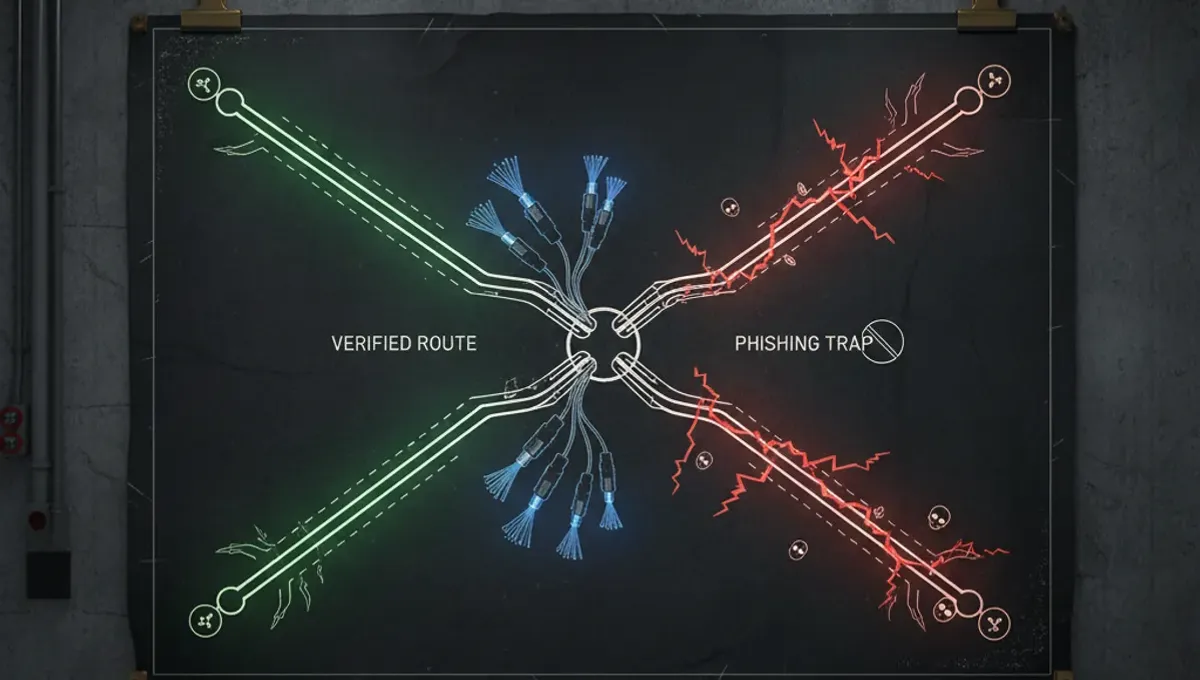
When a popular marketplace was seized or announced closure, scammers would quickly launch fake versions using similar names and designs. These phishing clones were designed to trick users into depositing cryptocurrency or entering credentials. A user searching for a marketplace's new mirror might accidentally land on a clone and lose their funds.
Clones typically copied the original site's layout, vendor list, and even reviews to appear legitimate. The only way to verify an authentic marketplace address was through PGP-signed announcements from the original operators, posted on forums or Reddit communities. Many users skipped this verification step and fell victim to scams.
This vulnerability highlighted a core problem with the dark web ecosystem: there is no central authority to verify domain ownership. A .onion address is just a string of characters. Without cryptographic verification, users had to rely on community knowledge and reputation, which was easily exploited. Law enforcement also used fake marketplaces as honeypots to identify and prosecute users.
Reality Layer: How the Ecosystem Actually Behaves
According to Tor Project documentation, onion services are designed for anonymity but not for preventing law enforcement investigation. Metadata, transaction patterns, and operational security mistakes have repeatedly led to arrests of marketplace operators and major vendors. This matters because it shows that using Tor alone does not guarantee immunity from prosecution.
Public law-enforcement press releases from the U.S. Department of Justice and Europol consistently show that marketplace seizures result from traditional investigative work: following cryptocurrency trails, identifying operational security lapses, and using informants. The takedown of AlphaBay in 2017 involved cooperation between multiple countries and years of investigation. This pattern suggests that large, centralized marketplaces are inherently vulnerable to coordinated law enforcement action.
Court records from prosecutions of marketplace operators reveal that many believed their anonymity was absolute and took fewer precautions than necessary. This false confidence led to mistakes like reusing usernames across platforms, using personal information in transactions, or failing to properly compartmentalize their operations. For ordinary users, this means that participation in these marketplaces carries real legal risk, regardless of the anonymity tools used.
Security-vendor incident reports document how marketplace operators often failed to implement basic security practices: weak password policies, unencrypted backups, and poor access controls. When law enforcement gained access to marketplace servers, they recovered years of transaction history, user data, and vendor information. This data has been used in subsequent prosecutions.
Why Users Trusted and Distrusted Marketplaces
Trust in dark web marketplaces was built on reputation systems and escrow mechanisms, but it was always fragile. Vendors with high ratings and long histories attracted more customers. However, a vendor could suddenly disappear, taking all pending orders and customer deposits. This happened repeatedly, and users learned to place only small orders with new vendors.
The marketplace operator itself was a single point of failure. If the operator decided to exit scam, they could drain all escrow funds and disappear. This happened to several marketplaces, including Silk Road 2.0 and Wall Street Market. Users had no recourse because there was no legal framework to pursue claims.
Trust also depended on the marketplace's technical security. If the site was vulnerable to hacking, user data and funds could be stolen. If the operator was careless with server security, law enforcement could seize the entire operation. Users who understood these risks typically kept minimal balances on marketplaces and moved cryptocurrency off-site quickly.
Community forums played a role in building and destroying trust. If a marketplace experienced a major hack or scam, word spread quickly. Users would migrate to competitors. This created a dynamic where marketplaces had to maintain operational security and follow through on their promises, or they would lose their user base.
Recognizing Phishing and Verifying Authentic Addresses
If you encounter a dark web marketplace link, verify it before trusting it. The steps are straightforward but require attention to detail.
- Search for the marketplace operator's official announcement on established forums or the Tor Project's resources page.
- Look for a PGP-signed message from the operator, not just a plain text post.
- Verify the PGP signature using the operator's public key, which should be published on multiple sources.
- Compare the .onion address in the signed message with the address you found.
- If the addresses do not match, do not visit the site.
- Check the marketplace's official social media or forum accounts for recent updates about mirrors and addresses.
Phishing clones often have slightly different .onion addresses, such as one character changed or a similar-looking character substituted. They may also have slightly different layouts or missing features. If something feels off, leave the site immediately.
Many users bookmark the correct address after verifying it, rather than searching for it each time. This reduces the risk of accidentally landing on a clone. If a marketplace goes offline, wait for an official announcement before trying to access a new mirror.
The Shift Toward Decentralization and Smaller Operations
Recent years have seen a move away from large, centralized dark web marketplaces toward smaller, more distributed operations. This shift reflects lessons learned from major seizures. Smaller marketplaces are harder to target with a single law enforcement action, but they also offer less stability and less recourse for users.
Some operations now use peer-to-peer models or decentralized platforms rather than a single website. These are harder to shut down but also harder to use safely. Users have less information about vendors and less protection from scams.
The dark web browser landscape has also evolved. Users now have more options for accessing onion services securely, including Tails, Whonix, and other specialized operating systems. These tools provide better isolation and reduce the risk of deanonymization compared to using Tor Browser alone on a standard operating system.
Understanding this evolution matters because it shows that the dark web ecosystem is not static. Marketplaces come and go. The tools and practices that users rely on change. Staying informed about these changes is essential for anyone who wants to understand the dark web without putting themselves at legal or financial risk.
What This Means for Your Security and Legal Risk
If you are researching dark web marketplaces for academic, journalistic, or security purposes, the key takeaway is that these operations are not hidden from law enforcement. They are vulnerable to investigation, seizure, and prosecution. Using Tor provides anonymity from casual observers, but it does not provide immunity from determined law enforcement.
For ordinary users, the practical lesson is straightforward: participation in dark web marketplaces carries legal risk that varies by jurisdiction and the specific goods or services involved. Even if you are not breaking the law, the ecosystem itself is unstable. Marketplaces close, operators disappear, and scams are common.
If you need to access dark web resources for legitimate purposes, use verified tools like Tor Browser, Tails, or Whonix. Verify any addresses through official channels before visiting them. Keep your operating system and software updated. Use strong, unique passwords and enable two-factor authentication where available.
The most important step you can take today is to verify any dark web marketplace address through the official resources listed on this site before trusting it with your time, attention, or money. This single practice eliminates most phishing and scam risks.
Frequently asked questions
What was Silk Road and why was it shut down
Silk Road was the first major dark web marketplace, launched in 2011 and seized by the FBI in 2013. The operator, Ross Ulbricht, was arrested and convicted. Law enforcement traced transactions and identified operational security mistakes that led to the takedown. The marketplace had facilitated hundreds of millions of dollars in transactions before closure.
How do I know if a dark web marketplace is real or a phishing clone
Verify the .onion address through an official PGP-signed announcement from the marketplace operator, not through search results or forum posts alone. Check the address against multiple trusted sources. If the address does not match or you cannot find a signed announcement, do not visit the site. Phishing clones often have slightly altered addresses or missing features.
Can I be prosecuted for visiting a dark web marketplace
Visiting alone is generally not prosecutable, but purchasing illegal goods or services is. Law enforcement has used honeypot marketplaces to identify and prosecute users. Your jurisdiction's laws determine what is illegal. Using Tor provides anonymity from casual observers but not from determined law enforcement investigations.
Why do dark web marketplaces keep getting shut down
Large, centralized marketplaces are vulnerable to law enforcement investigation because they require a central server and operator. Investigators follow cryptocurrency trails, identify operational security mistakes, and use informants. Coordinated international law enforcement actions have successfully seized major marketplaces like AlphaBay and Wall Street Market.
What happened to the users and vendors when a marketplace was seized
Users and vendors lost access to their accounts and any cryptocurrency held in escrow. Law enforcement recovered transaction records, user data, and vendor information from seized servers. This data has been used in subsequent prosecutions. Users had no legal recourse to recover lost funds because the marketplaces operated outside the legal system.