What Dark Web Pets Lists Actually Contain
Dark web pets lists are typically aggregated in forum posts, Reddit threads, or dedicated directory sites that claim to catalog onion addresses related to animal services. These lists may include links to forums where people discuss exotic pet acquisition, sites offering breeding information, or marketplaces that purport to sell animals. The quality and accuracy of these lists varies dramatically. Many links are dead, redirect to phishing clones, or lead to scam sites designed to steal cryptocurrency or credentials from visitors. A significant portion of what circulates as a pets list is outdated or intentionally misleading, created by bad actors to harvest data from curious users. The actual content behind these links ranges from legitimate animal welfare discussions to illegal wildlife trafficking operations, making it impossible to know what you will encounter without visiting the address directly, which carries substantial risk.
How These Lists Are Compiled and Shared
Dark web pets lists are typically assembled by users who manually visit onion sites, test whether links still work, and then post their findings to forums, GitHub repositories, or dedicated aggregator sites. Some lists are maintained by individuals who claim to verify each link before sharing it. Others are scraped automatically from forum posts or marketplace announcements and republished with minimal curation. The distribution method matters significantly for your security. Lists shared on Reddit or mainstream forums are often honeypots or contain links injected with malware by moderators or bad actors. Lists on GitHub may be more stable but are frequently taken down for violating the platform's terms of service. The most dangerous lists are those claiming to be "verified" or "100% working," as these often attract scammers who replace legitimate addresses with phishing clones or malware-hosting sites.
The Overlap with Other Dark Web Directory Types
Dark web pets lists exist alongside broader directory categories like dark web domain lists, dark web email lists, and dark web hackers lists. All of these serve similar functions: aggregating onion addresses for specific purposes or communities. A dark web domain list might catalog general marketplaces and forums, while a dark web email list aggregates anonymous email services. The distinction between these categories is often blurred because many aggregators compile multiple types of links into a single resource. Understanding this ecosystem helps explain why a single directory site might contain links to pet trading forums, hacking tutorials, and cryptocurrency services all in one place. The presence of a pets list on a broader directory does not validate its contents; it simply means someone decided to categorize those links together. Cross-referencing multiple sources is necessary to identify which links are legitimate versus scams, but this itself requires technical knowledge and carries exposure risk.
Legal and Safety Context Around Animal Trading on Tor
Law enforcement agencies worldwide monitor dark web activity related to animal trafficking and illegal pet sales. According to public law-enforcement press releases and court records, investigations into onion-based animal trafficking have resulted in arrests and prosecutions in multiple jurisdictions. The reason this matters to ordinary users is that accessing or sharing these lists can inadvertently connect you to illegal activity, even if you are only browsing out of curiosity. Many animals sold on dark web marketplaces are endangered species, stolen pets, or animals bred in inhumane conditions. Purchasing from these sources funds criminal networks and contributes to ecological damage. Additionally, the technical infrastructure used to host these sites often overlaps with malware distribution, ransomware operations, and other cybercrime. Visiting a pets list or following links from it exposes your device to malicious code, phishing attacks, and potential law-enforcement scrutiny depending on your jurisdiction and the specific content you access.
Risks of Using Dark Web Pets Lists
The primary risks fall into three categories: technical, financial, and legal. Technically, onion sites hosting animal-related content are frequently compromised by malware, keyloggers, or JavaScript exploits that can deanonymize Tor users or steal credentials. Many sites claiming to sell pets are exit scams where users send cryptocurrency and receive nothing. Phishing clones of legitimate animal forums are common, designed to harvest usernames and passwords that may be reused on other platforms. Financially, users who attempt to purchase animals through these channels lose money to scammers or receive animals in poor health or not at all. Legally, depending on your country, accessing certain types of animal trafficking sites or possessing materials related to endangered species sales can trigger investigation. Even if you are only browsing, your ISP logs and Tor exit node operators may record your activity. Using a dark web browsers list to access Tor is necessary for anonymity, but it does not eliminate legal risk if you engage with illegal content.
How to Verify Links and Avoid Phishing Clones
If you encounter a dark web pets list and want to verify whether links are legitimate, follow this process:
- Never click links directly from aggregator sites or Reddit threads.
- Cross-reference the onion address with multiple independent sources, including the site's official announcement channels.
- Check for PGP-signed messages from the site operator confirming the correct address.
- Look for v3 onion addresses (56 characters) rather than v2 addresses (16 characters), as v3 is more resistant to impersonation.
- Visit the Useful Resources page of this site for verified onion address verification methods.
- Use a dedicated virtual machine or Tails OS to isolate your main system from potential malware.
- Disable JavaScript in Tor Browser before visiting unfamiliar sites.
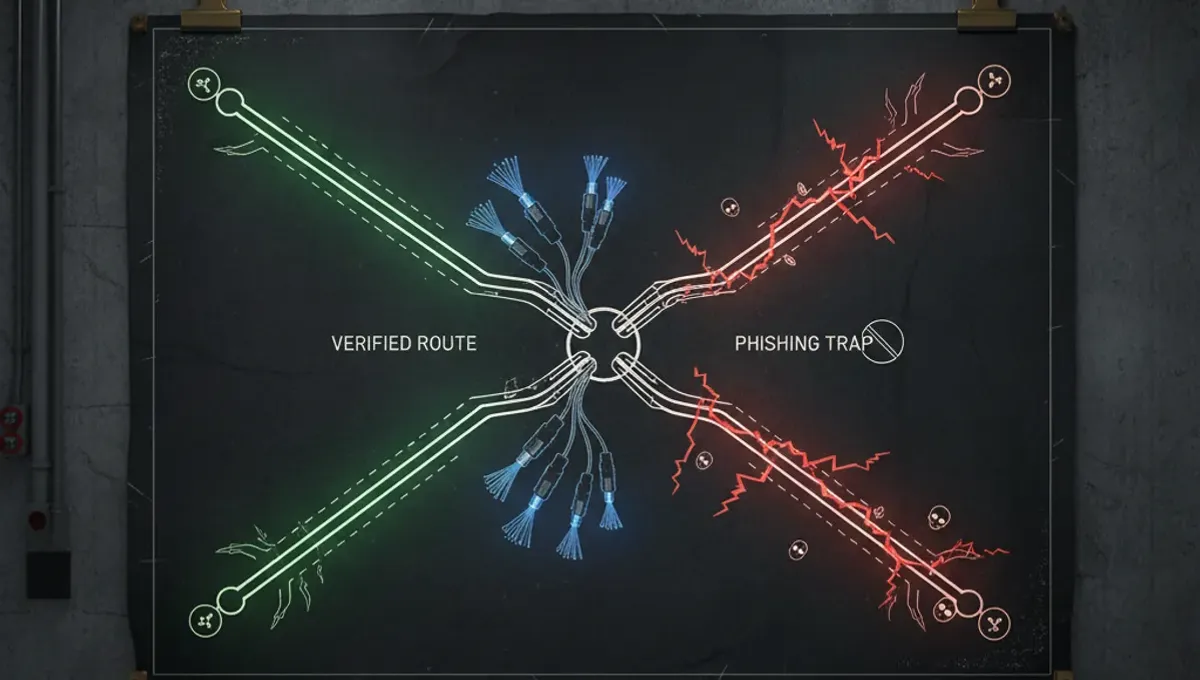
Phishing clones are created by registering new v2 onion addresses that look similar to legitimate ones or by compromising the DNS-like systems that some forums use. The only reliable way to confirm you are on the correct site is to verify the address through an official channel controlled by the site operator, such as a PGP-signed post on a trusted forum or an announcement on their primary onion site.
Why These Lists Persist Despite the Risks
Dark web pets lists continue to circulate because they serve multiple purposes beyond animal trafficking. Some are genuine attempts to catalog animal welfare resources, exotic pet breeding forums, or veterinary information available only on Tor. Others are created by researchers, journalists, or security professionals studying the dark web ecosystem. The persistence of these lists also reflects the broader challenge of maintaining accurate information on Tor: sites go offline, addresses change, and clones proliferate faster than legitimate operators can issue corrections. From a user perspective, the existence of these lists reflects curiosity about what the dark web contains and a desire for curated access rather than random exploration. However, the risk-to-benefit ratio for using these lists is heavily skewed toward risk unless you have a specific, legitimate research or security purpose. For ordinary users, the safest approach is to avoid them entirely and instead rely on official Tor Project documentation and established security resources when learning about the onion network.
Taking the Next Step: Safer Alternatives
If your interest in dark web pets lists stems from curiosity about how the Tor ecosystem works, redirect that energy toward legitimate learning resources instead. The Tor Project's official documentation explains how onion services function, why they exist, and how to use Tor Browser safely. If you are concerned about illegal animal trafficking, report suspected activity to organizations like the World Animal Protection or your local law enforcement agency rather than attempting to investigate yourself. If you are researching the dark web for academic or professional purposes, consult published security research, law-enforcement reports, and academic papers that analyze these ecosystems without requiring you to visit active sites. These alternatives provide knowledge without the technical and legal exposure that comes with accessing unverified dark web pets lists. Start by visiting the Useful Resources page of this site to find verified information sources and official Tor documentation.
Frequently asked questions
Are dark web pets lists real or mostly scams
Most dark web pets lists contain a mix of dead links, phishing clones, and scam sites. Some links may point to legitimate forums, but the majority are either outdated or designed to steal credentials or cryptocurrency. Verifying each link independently is necessary before trusting any aggregated list.
Is it illegal to access a dark web pets list
Accessing a list itself is not illegal in most jurisdictions, but the content behind the links may be. If a list directs you to sites facilitating illegal animal trafficking or endangered species sales, accessing that content could expose you to legal liability depending on your country's laws and the specific material involved.
How do I know if a dark web pets list link is a phishing clone
Phishing clones often use slightly different onion addresses that look similar to legitimate ones. Verify the address through official PGP-signed announcements from the site operator, check for v3 onion addresses (which are harder to clone), and cross-reference multiple independent sources before visiting any link.
What should I do if I find a dark web pets list with illegal content
Report the specific onion address and content to law enforcement or organizations like the World Animal Protection. Do not attempt to investigate further yourself, as this increases your exposure to malware, phishing, and legal scrutiny. Provide the information you have and let professionals handle the investigation.
Can I use a dark web browsers list to safely access a pets list
Using Tor Browser is necessary for accessing onion sites, but it does not eliminate the risks associated with visiting unverified or malicious sites. Tor Browser protects your IP address and location, but it does not protect you from malware, phishing, or the legal consequences of accessing illegal content. Additional security measures like disabling JavaScript and using a virtual machine are recommended.