What Are Dark Web Sites: The Basic Definition
Dark web sites are web pages hosted on the Tor network or similar anonymity-focused infrastructure. The term "dark" refers not to illegal content, but to the fact that these sites are not indexed by standard search engines and require deliberate access through tools like the Tor Browser. Each site has an address ending in .onion instead of .com or .org.
The dark web itself is a small portion of the larger deep web, which includes anything not indexed by Google. Medical records, academic databases, and corporate intranets are part of the deep web but are not dark web sites. Dark web sites kya hai in Hindi translates to understanding that they are intentionally hidden services, not accidentally obscure ones.
When you visit a dark web site, your connection is routed through multiple volunteer-run servers called nodes. This routing makes it extremely difficult for an observer to link your IP address to the site you are visiting. The site operator's location is similarly obscured, which is why dark web sites in Hindi and English alike attract both legitimate privacy advocates and those seeking to hide illegal activity.
How Dark Web Sites Work Technically
Dark web sites operate using onion routing, a technology developed by the U.S. Naval Research Laboratory in the 1990s and later released as the Tor Project. When you connect to a .onion address, your data is encrypted in multiple layers and passed through at least three randomly selected Tor nodes before reaching the destination server.
Each node only knows the previous and next node in the chain, not the full path. This design means that no single point in the network can see both your identity and the site you are visiting simultaneously. The site itself is hosted on a server that is also connected to the Tor network, so its physical location remains hidden.
Best dark web sites 2025 and beyond rely on this same technical foundation. The infrastructure does not change; what changes is which sites are operational, which have been seized by law enforcement, and which are honeypots or phishing clones designed to steal credentials. The Tor Project documentation explains that the network's strength comes from the number of users and the diversity of traffic, making it harder to identify patterns.
Legitimate Uses and Why Dark Web Sites Exist
Dark web sites serve genuine privacy needs for journalists, activists, and ordinary people living under surveillance. Reporters in authoritarian countries use them to communicate securely with news organizations. Political dissidents coordinate without fear of state monitoring. Whistleblowers leak documents about corporate or government wrongdoing through dark web platforms.
In countries with heavy internet censorship, dark web sites in Hindi and other languages provide access to uncensored information. Researchers study the dark web to understand how anonymity technology works and where it fails. Security professionals monitor dark web forums to track emerging threats and data breaches affecting their organizations.
The technology itself is neutral. The Tor Project is funded by organizations including the U.S. State Department and the Freedom of the Press Foundation because anonymity is recognized as essential for free speech and safety. Understanding best dark web sites 2026 and their legitimate purposes requires separating the tool from its misuse.
Reality Layer: How the Ecosystem Actually Behaves
Three critical insights shape how dark web sites actually function:
Phishing and clones are endemic. According to security-vendor incident reports and Tor Project documentation, the most-visited dark web sites are constantly cloned by attackers. A user intending to visit a legitimate marketplace may land on a fake version designed to steal credentials or cryptocurrency. The lack of centralized domain registration means anyone can create a .onion address that looks similar to a trusted one. This is why verifying addresses through PGP-signed announcements and official channels is essential, not optional.
Law enforcement actively monitors and seizes sites. Court records and public law-enforcement press releases show that dark web marketplaces and forums are regularly infiltrated, seized, or shut down. The FBI, Europol, and other agencies have successfully identified operators despite Tor's anonymity protections, often through operational security mistakes rather than technical breakthroughs. This matters because users who assume complete anonymity are taking unnecessary risks.
Exit scams and theft are common. Darknet market sites frequently disappear with user funds, a pattern documented across multiple generations of platforms. Operators may run a marketplace legitimately for months, build trust, then vanish with cryptocurrency held in escrow. No legal recourse exists for victims, making due diligence impossible.
The Darkest Sites: What You Should Know
The term "darkest sites" typically refers to marketplaces and forums associated with illegal goods and services. These include platforms historically used for drug trafficking, stolen data sales, hacking services, and counterfeit documents. Understanding what they are is important for awareness; accessing them is both illegal in most jurisdictions and extremely dangerous.
These sites operate under constant threat of seizure. Law enforcement agencies have successfully prosecuted operators and users by correlating Tor traffic with other investigative techniques, including financial analysis and operational security failures. A person who believes they are anonymous on the dark web may be identified through cryptocurrency transactions, email reuse, or behavioral patterns.
Best dark web sites 2025 in the legitimate sense are those run by established organizations with transparent funding and clear purposes: news outlets, privacy organizations, and research projects. These sites publish PGP signatures so users can verify they are accessing the real address. In contrast, darkest sites rarely provide such verification and actively exploit the anonymity of the medium to commit fraud.
Risks and Misconceptions About Dark Web Sites
A common misconception is that using Tor automatically makes you invisible. It does not. Tor protects your connection from network-level surveillance, but it does not protect you from malware, phishing, or your own mistakes. If you log into a personal email account on a dark web site, you have linked your identity to that activity.
Another misconception is that all dark web sites are illegal. Many are not. News organizations, privacy foundations, and research projects operate legitimate .onion sites. The confusion arises because illegal marketplaces are more visible in popular media and because the anonymity does attract criminal activity.
A third misconception is that law enforcement cannot reach dark web users. They can and do. Mistakes in operational security, such as reusing usernames, revealing personal information, or failing to use cryptocurrency mixers, have led to prosecutions. The Tor network is not a legal shield; it is a technical tool for privacy. Using it for illegal purposes does not grant immunity.
How to Verify and Access Dark Web Sites Safely
If you have a legitimate reason to access a dark web site, follow these steps:
- Download the Tor Browser from the official Tor Project website only, never from a third-party source.
- Verify the PGP signature of the download to confirm authenticity.
- Research the .onion address through official channels: PGP-signed announcements, established news outlets, or the site's official clearnet (regular internet) presence.
- Never click links to .onion addresses from untrusted sources; type them manually or use bookmarks.
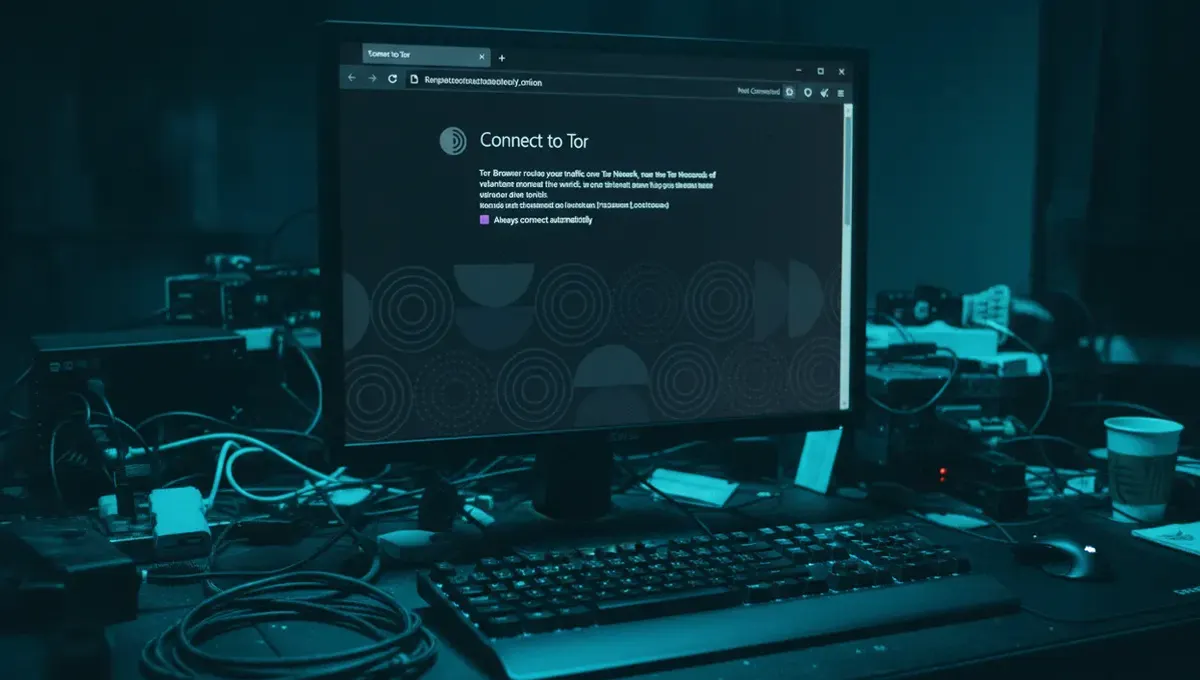
- Disable JavaScript in Tor Browser settings to reduce attack surface.
- Use a dedicated device or virtual machine if possible, to isolate any potential compromise.
- Never maximize your browser window, as this can reveal your screen resolution and help identify you.
- Do not enable plugins or extensions unless absolutely necessary.
After accessing a site, verify that you are on the correct address by checking the .onion URL in the address bar. Phishing clones often use similar-looking addresses with one character changed. If a site asks for personal information, credentials, or payment, stop and verify the address again through an independent source. Dark web sites in Hindi and other languages follow the same security principles.
What Happens Next: Staying Informed and Protected
Understanding what dark web sites are is the first step toward making informed decisions about your own security and privacy. The key takeaway is that the dark web is a tool with legitimate and illegitimate uses, and accessing it requires careful attention to operational security and verification practices.
Your next step is to clarify your own reason for accessing the dark web. If you are a journalist, activist, or researcher, connect with established organizations in your field that can provide guidance specific to your situation. If you are curious about how the technology works, read the Tor Project documentation and security research papers rather than experimenting on live sites.
If you suspect you have been compromised or have encountered a phishing clone, report it through the official channels listed on the Useful Resources page of this site. Stay updated on law-enforcement actions and market seizures by following reputable cybersecurity news sources. The dark web changes constantly; what is online today may be seized tomorrow, and new sites emerge regularly. Verify addresses independently every time, and never assume that anonymity is complete.
Frequently asked questions
dark web sites kya hote hain
Dark web sites are websites hosted on encrypted networks like Tor, accessible only through specific browsers and hidden from standard search engines. They use .onion addresses instead of regular domain names. These sites can be legitimate, used by journalists and activists for privacy, or illegal, hosting marketplaces and forums. The term 'dark' refers to their hidden nature, not their content.
kya dark web sites use karna illegal hai
Accessing the dark web itself is legal in most countries. Using Tor Browser and visiting .onion sites is not a crime. However, using dark web sites to buy or sell illegal goods, access stolen data, or commit fraud is illegal. The legality depends on what you do on these sites, not on accessing them. Law enforcement can and does prosecute users who engage in illegal activity.
dark web sites par kitna safe hai
Dark web sites offer technical anonymity through Tor, but they are not completely safe. Phishing clones, malware, and scams are common. Law enforcement has successfully identified and prosecuted dark web users through operational security mistakes. Safety depends on careful verification of addresses, avoiding personal information disclosure, and understanding that anonymity is not a legal shield for illegal activity.
best dark web sites 2025 kaunse hain
Legitimate dark web sites include news organizations, privacy foundations, and research projects that publish PGP-signed announcements. Specific names change as sites are seized or go offline. Rather than listing sites, verify any address through official channels and PGP signatures. The Useful Resources page of this site provides guidance on finding verified .onion addresses for established organizations.
dark web darkest sites par kya milta hai
The darkest sites historically hosted illegal marketplaces for drugs, stolen data, hacking services, and counterfeit documents. These sites are frequently seized by law enforcement. Accessing them is illegal in most jurisdictions and extremely dangerous due to scams, malware, and law-enforcement monitoring. Understanding what they are is important for awareness, but accessing them carries serious legal and personal risks.