What Dark Web Sites in Hindi Actually Are
Dark web sites in Hindi are websites hosted on the Tor network that use the .onion domain and operate in Hindi or serve Hindi-speaking communities. They are not inherently illegal; the Tor network itself was designed by the U.S. Naval Research Laboratory to protect privacy and free speech. Some onion sites host forums, news archives, privacy guides, and community discussions in Hindi. Others may facilitate illegal activity, but the technology itself is neutral. The key difference between dark web sites and regular websites is that onion addresses are encrypted end-to-end and route through multiple Tor relays, making both the site operator and visitor harder to identify. This anonymity has legitimate uses: journalists protecting sources, activists in repressive countries, and people seeking privacy. It also attracts criminal activity, which is why law enforcement monitors the space.
How Onion Services and Tor Routing Work
When you access a dark web site in Hindi or any onion address, your traffic passes through at least three randomly selected Tor relays before reaching the destination. Each relay only knows the previous and next hop, so no single point can see both your identity and the site you are visiting. The onion address itself is a cryptographic hash of the site's public key, which means you can verify that the address you are visiting is actually controlled by the site operator and not a phishing clone. This verification is critical because attackers frequently create fake mirrors of popular onion sites to steal login credentials or cryptocurrency. The Tor Project documentation explains that onion services use a distributed hash table to publish their addresses without revealing the server's location. Understanding this technical layer matters because it helps you recognize what anonymity actually protects (your location and ISP visibility) and what it does not (your behavior on the site itself, or your identity if you log in with personal information).
Common Types of Dark Web Sites and Forums
Dark web sites range widely in purpose and legality. Privacy-focused forums and discussion boards exist where people share security tips, Tor browser updates, and operational security practices. News archives and censorship-resistant publishing platforms host content that governments have blocked. Some sites are marketplaces, though many have been seized by law enforcement or have exit-scammed (operators disappearing with user funds). Intelligence and security-vendor incident reports document that marketplace seizures have become routine; the Silk Road was shut down in 2013, and law enforcement has continued to dismantle major darknet markets since then. Community forums in Hindi and other languages discuss privacy, technology, and local issues. The darkest sites category includes forums and services associated with extreme content and serious crimes, which are actively monitored and investigated. Most ordinary users who access the dark web do so out of curiosity, to read censored news, or to communicate privately. The presence of illegal activity does not mean all onion sites are illegal, but it does mean you need to be cautious about what you access and who you interact with.
Reality Layer: What Actually Happens on the Dark Web
According to Tor Project documentation, the majority of onion traffic is legitimate privacy-seeking behavior, not criminal activity. However, law enforcement agencies worldwide actively investigate and prosecute crimes facilitated through dark web sites, and they have become skilled at de-anonymizing users through operational security mistakes, malware, and network analysis. Court records from major darknet market prosecutions show that operators often fail because they reuse usernames, make mistakes in cryptocurrency handling, or fail to isolate their server infrastructure. Security-vendor incident reports consistently document that phishing clones of popular onion sites cause significant losses; users visit what they think is a trusted marketplace or forum but are actually on a fake site designed to steal credentials or funds. This matters to you because it means that even if you use Tor correctly, you can still be deceived by social engineering and fake sites. The technical anonymity Tor provides is only one layer of security; your own behavior and verification practices are equally important. Visiting the dark web does not make you anonymous by default; it requires deliberate operational security, careful verification of addresses, and awareness of common attack vectors.
How to Verify Onion Addresses and Avoid Phishing
Phishing is the most common way people lose money or credentials on dark web sites. To protect yourself, follow these practices:
- Always verify onion addresses through official PGP-signed announcements from the site operator, not from search results or forum posts.
- Check that the address matches exactly, character for character, before entering any credentials or funds.
- Use the Tor Browser's built-in security features, including disabling JavaScript and keeping plugins disabled.
- Never copy and paste onion addresses from untrusted sources; type them manually or use a verified bookmark.
- If a site asks you to log in immediately upon arrival, it may be a clone; close it and verify the address again.
- Look for PGP-signed messages from the site operator confirming the correct onion address and any recent changes.
Many users assume that if they found a site through a search engine or a forum, it must be legitimate. This is false. Attackers register similar .onion addresses and advertise them aggressively. The only reliable way to find the real address is through the site operator's official channels, which are typically PGP-signed and published on multiple platforms to prevent a single point of compromise.
Safe Tor Browsing Practices for Hindi Speakers
If you decide to explore dark web sites, whether in Hindi or any language, follow these operational security steps to minimize risk. First, use the official Tor Browser from the Tor Project website, not a third-party build or modified version. Second, keep your operating system and all software updated, as outdated systems are vulnerable to exploits that can de-anonymize you. Third, never maximize your browser window, because your screen resolution can be used to fingerprint you. Fourth, disable plugins and extensions, as they can leak your real IP address. Fifth, never open multiple tabs to different onion sites simultaneously, because this increases the risk of cross-site tracking. Sixth, assume that any site you visit may be monitored by law enforcement or operated by bad actors. Seventh, never use the same username or email address across multiple dark web sites, as this can link your identities. Eighth, if you use cryptocurrency, understand that blockchain transactions are permanent and traceable; law enforcement has become skilled at following cryptocurrency trails. These practices apply whether you are accessing Hindi-language forums or any other onion service.
Legal and Law-Enforcement Context
Accessing the Tor network and visiting onion sites is legal in most countries, including India and the United States. However, the content you access or the activity you engage in may be illegal. Visiting a marketplace is not a crime, but purchasing illegal goods is. Reading a forum is not a crime, but participating in conspiracy or fraud is. Law enforcement agencies have become increasingly sophisticated at investigating dark web activity. They use network analysis, malware injection, subpoenas to cryptocurrency exchanges, and cooperation with ISPs to identify users. Public law-enforcement press releases document successful prosecutions of darknet market operators, vendors, and users. The key point is that Tor does not provide legal protection; it provides technical anonymity. If you engage in illegal activity, you are still subject to prosecution, and the anonymity layer may fail due to your own mistakes or law enforcement techniques. Additionally, many countries have laws restricting access to certain content or services, so the legality of accessing a particular dark web site depends on your jurisdiction and the site's content. If you are unsure whether something is legal in your country, consult a lawyer rather than assuming anonymity provides protection.
Taking Your First Steps: What to Do Today
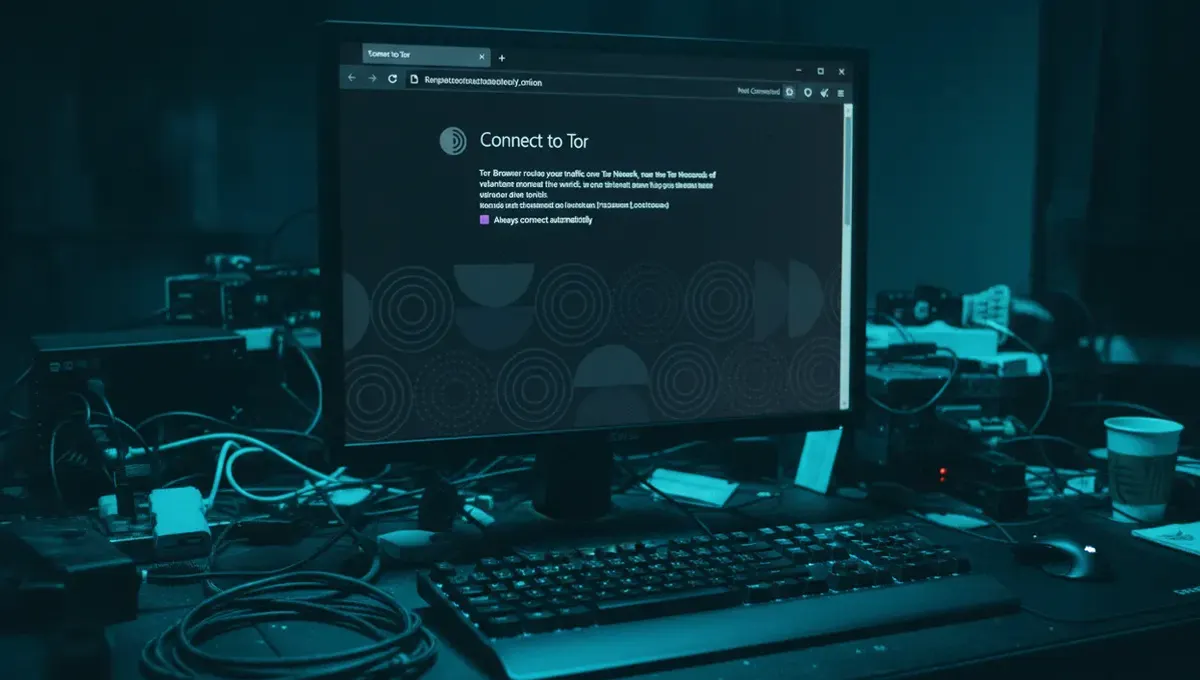
If you want to understand dark web sites in Hindi or explore the Tor network safely, start by downloading the official Tor Browser from the Tor Project website and reading their security documentation. Do not rush to visit onion sites; instead, spend time learning how Tor works, what operational security means, and how to verify addresses. Visit the Useful Resources page of this site to find links to PGP-signed announcements and verified onion directories. If you are interested in Hindi-language privacy communities, look for forums that discuss security practices and Tor usage rather than marketplaces. Remember that curiosity is normal, but verification and caution are essential. The dark web is not a hidden treasure chest; it is a technical space where legitimate privacy seekers and criminals coexist. Your safety depends on understanding the technology, recognizing common attacks, and making deliberate choices about what you access and how you behave. Start with education, not exploration.
Frequently asked questions
What does dark web sites kya hai mean in Hindi
Kya hai means what is. So dark web sites kya hai in Hindi asks what dark web sites are. Dark web sites are websites hosted on the Tor network with .onion addresses that provide anonymity to both the operator and visitor. They can be used for legitimate privacy purposes or illegal activity.
Are dark web sites in Hindi illegal to visit
Visiting onion sites is legal in most countries, including India and the United States. However, the content you access or purchase may be illegal depending on your jurisdiction. Accessing a marketplace is not a crime, but buying illegal goods is. Always check local laws before accessing any dark web content.
How do I find real dark web sites and avoid phishing clones
Always verify onion addresses through official PGP-signed announcements from the site operator, not from search results or forums. Check that the address matches exactly before entering credentials or funds. Use the official Tor Browser and never copy addresses from untrusted sources. If a site looks suspicious, close it and verify the address again through official channels.
What is the difference between dark web and deep web
The deep web includes any part of the internet not indexed by search engines, such as email accounts and paywalled content. The dark web is a small part of the deep web that has been intentionally hidden and requires specific software like Tor to access. Dark web sites use .onion addresses and provide stronger anonymity than regular deep web content.
Can I be traced if I use Tor to visit dark web sites
Tor provides technical anonymity by routing your traffic through multiple relays, but it is not foolproof. Law enforcement has successfully de-anonymized users through operational security mistakes, malware, network analysis, and cryptocurrency tracking. Your own behavior and security practices are as important as the technology itself.