What Tor Book Sites Actually Are
Tor book sites range from mirror copies of public domain collections to community-run ebook libraries and academic repositories. Some are mirrors of Project Gutenberg or similar services, hosted on onion addresses for users in regions with restricted internet access. Others are forums where readers share recommendations and discuss literature. A few operate as uncensored archives of texts that may be controversial or restricted in certain countries.
These sites exist for legitimate reasons: providing access to knowledge in censored regions, preserving texts that face legal challenges, and maintaining reading communities outside mainstream surveillance. However, the onion network also attracts phishing clones that mimic popular book sites to steal credentials or distribute malware. Learning to distinguish real libraries from fakes is essential before you spend time searching.
How to Verify Authentic Book Site Addresses
Verification starts with finding the official onion address from a trusted source, not from search results alone. Check the Useful Resources page on this site for links to verified directories and PGP-signed announcements from legitimate projects. Many real book archives publish their onion addresses on their clearnet (regular internet) homepage or on GitHub repositories maintained by their operators.
When you find a candidate address, look for these markers of authenticity:
- The site has a PGP public key published on multiple sources
- The onion address is listed on the project's official clearnet site
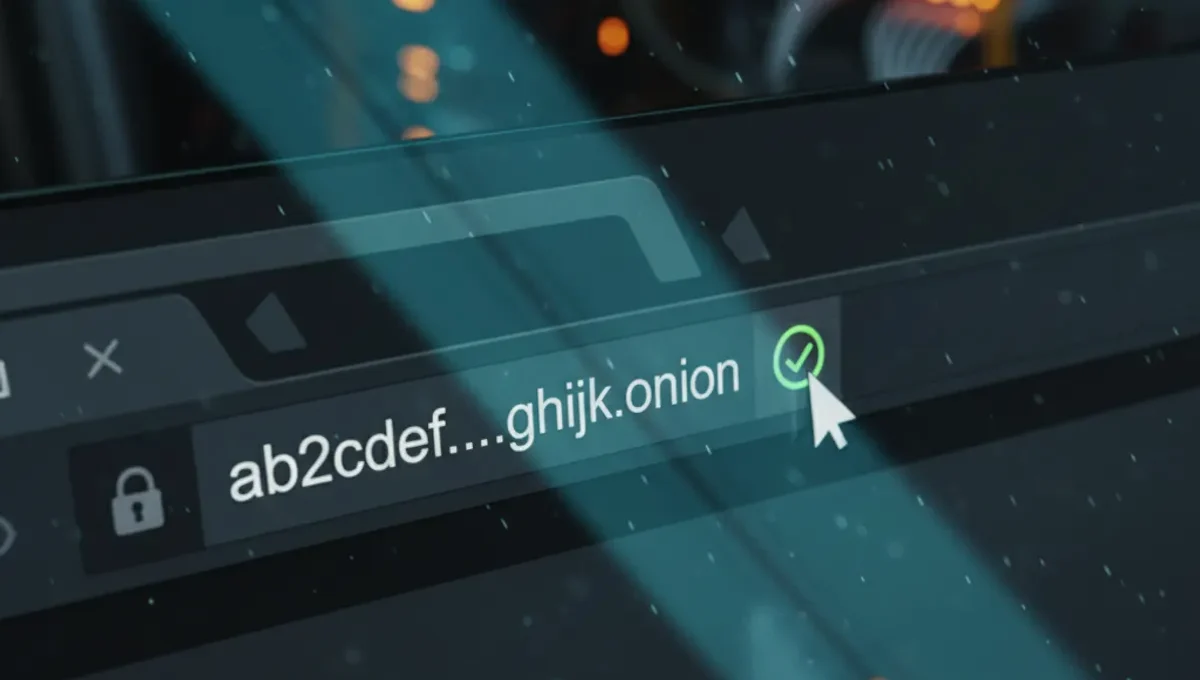
- The site uses HTTPS (shown as a padlock in Tor Browser) and has a valid certificate
- The design and content match what you expect from the real project
- The site has been referenced in security blogs or academic discussions over time
If an address looks new, unfamiliar, or is only mentioned on Reddit or Telegram without corroboration, treat it as unverified until you confirm it through official channels.
Common Book Collections on Tor
Public domain book mirrors are among the most common Tor book sites. These replicate collections like Project Gutenberg (thousands of free, legally available texts) and make them accessible through onion addresses for users behind censorship firewalls. Academic archives also exist on Tor, hosting research papers and textbooks that may be paywalled on the clearnet but are shared openly by researchers and librarians.
Literature forums and reading communities thrive on Tor as well, where users discuss books, share recommendations, and sometimes exchange ebook files. These communities often have strict rules about what content is allowed and may require registration to post. Some sites focus on specific genres, languages, or political viewpoints. The quality and moderation vary widely; some are well-organized and respectful, while others are chaotic or host content that violates copyright or local laws.
Reality Check: Risks and How the Ecosystem Actually Works
Phishing clones are the most immediate threat. An attacker creates a fake onion address that looks almost identical to a real book site, then advertises it on Reddit, Telegram, or other forums. When users visit, they may be prompted to log in, download a file, or enable JavaScript. The attacker captures credentials, distributes malware, or harvests browser fingerprints. According to Tor Project documentation on onion service security, users often cannot distinguish a clone from the real site without verifying the address through an official channel first.
A second risk is that some Tor book sites host copyrighted material illegally. Visiting these sites is generally not prosecuted in most countries, but downloading copyrighted books may expose you to legal liability depending on your jurisdiction. Law enforcement has seized onion book archives in the past, and some sites disappear without warning. Academic research on onion services shows that many book repositories are maintained by volunteers with limited resources, so uptime and content availability can be unpredictable. Always assume a site may go offline or change addresses, and keep your own copies of important texts.
Finding Book Sites Through Tor Search and Reddit Communities
Tor search engines like Ahmia and Torch index some book sites, but results are often outdated or point to phishing clones. A more reliable approach is to check Reddit communities dedicated to Tor, privacy, and ebooks. Subreddits like r/Tor and r/darknet sometimes have threads where users share verified book site addresses and discuss their experiences. Always read the comments carefully; experienced users often flag suspicious links or warn about recent scams.
GitHub repositories maintained by privacy advocates sometimes list verified onion addresses for book libraries and archives. These lists are often curated and updated by the community, so they tend to be more reliable than random search results. When you find a GitHub link to a Tor sites directory, check the commit history and contributor reputation to gauge trustworthiness. Be skeptical of any list that includes dozens of addresses without verification notes or that hasn't been updated in over a year.
Safe Browsing Practices for Tor Book Sites
Use Tor Browser in its default configuration; do not change security settings to enable JavaScript or plugins unless you understand the risks. Keep your operating system and Tor Browser updated to patch vulnerabilities. Consider using a dedicated virtual machine or a live operating system like Tails if you plan to download files from Tor sites regularly.
When downloading ebooks, scan files with antivirus software before opening them, even if they appear to be plain text or PDF. Some malicious actors distribute trojans disguised as ebook files. Never enable macros in documents, and be cautious with executable files. If a book site asks you to create an account, use a unique username and password that you don't use elsewhere. Do not link your Tor activity to your clearnet identity by using the same username or email address.
Building Your Own Offline Library
Rather than relying on any single Tor book site, consider downloading and storing copies of texts you value. This protects you from sites going offline and reduces your exposure to malware or phishing. Start with public domain collections from verified sources, then gradually add other texts as you find them. Store your library on encrypted external drives or cloud storage with strong encryption.
Keep a record of where each book came from and whether it is in the public domain or copyrighted. This helps you stay aware of your legal exposure and makes it easier to find replacements if a site disappears. Many readers maintain personal libraries of thousands of texts without ever visiting the same Tor site twice. This approach also reduces your fingerprint on any single service and makes your reading habits harder to track.
Frequently asked questions
How do I know if a Tor book site is real or a phishing clone
Verify the onion address through the project's official clearnet website or a PGP-signed announcement. Check GitHub repositories and security blogs for references to the address. Real sites usually have consistent design, valid HTTPS certificates, and are mentioned across multiple trusted sources. If you find the address only on Reddit or Telegram without corroboration, treat it as unverified.
Is it legal to download books from Tor sites
It depends on the book and your jurisdiction. Public domain texts are legal everywhere. Copyrighted books may be legal to read but illegal to download in some countries. Check your local copyright laws. Visiting a Tor book site is generally not prosecuted, but downloading copyrighted material may expose you to liability.
What's the difference between Tor book sites on Reddit vs GitHub
Reddit communities discuss and recommend Tor sites, but links can be outdated or malicious. GitHub repositories often maintain curated lists of verified onion addresses with update histories and contributor notes. GitHub lists tend to be more reliable, but always check the commit history and verify addresses independently before visiting.
Can I get malware from downloading ebooks on Tor
Yes. Malicious actors distribute trojans disguised as ebook files. Always scan downloaded files with antivirus software before opening them. Avoid enabling macros in documents and be cautious with executable files. Use a virtual machine if you download frequently from untrusted sources.
Why do some book sites use Tor instead of the regular internet
Tor book sites serve users in regions with censorship, preserve texts that face legal challenges, and maintain reading communities outside surveillance. Some host copyrighted material that is restricted in certain countries. Tor provides anonymity for both operators and readers, making it harder for authorities to track access or shut down the service.